 Dewey Humboldt AZ Plumbing Pros
Emergency Leak Repair and Detection in Dewey Humboldt, AZ | Hidden leaks, damp walls and high bills
A water bill that jumped, a meter that keeps turning with every tap closed, a stain spreading across a ceiling: each is a leak announcing itself. Leak detection in Dewey Humboldt starts with those clues, finds the exact spot without tearing open the house, and ends with a repair that holds.
(928) 766-1925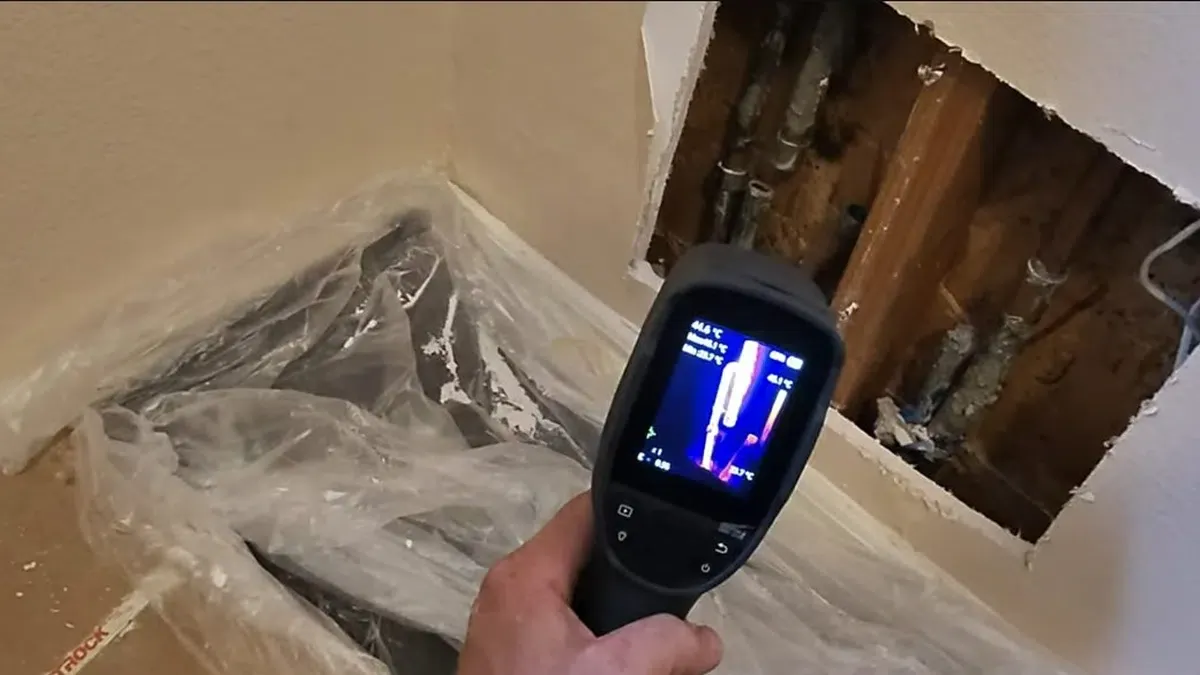
- Licensed and insured plumbers
- Same-day service when available
- 24/7 emergency dispatch
Signs the water is going somewhere it should not
Most leaks do not start with a spray. Humidity hides leaks, and a slow one can run for months behind drywall or under soil before anything shows. These are the common signs of a leak, and the warning signs of hidden leaks to watch for.
- A higher bill with no change in habits. Water use that climbs for no reason is the earliest signal.
- Stains and bubbling paint. Leaky ceilings causing water stains usually start as a faint brown ring that darkens after each use of the bath upstairs.
- A musty smell or warm spot. Water leaking behind walls produces odor long before it produces a wet patch.
- The sound of running water at night. A hiss or trickle in a quiet house means a pressurized line is losing water.
- Soft or sunken ground. Underground leaks show up as a green strip, a soggy patch or a dip in the yard.
Start at the meter: a two-minute leak test
Before anyone is called, a homeowner can learn a lot. Close every tap, stop the dishwasher and washer, then look for movement.
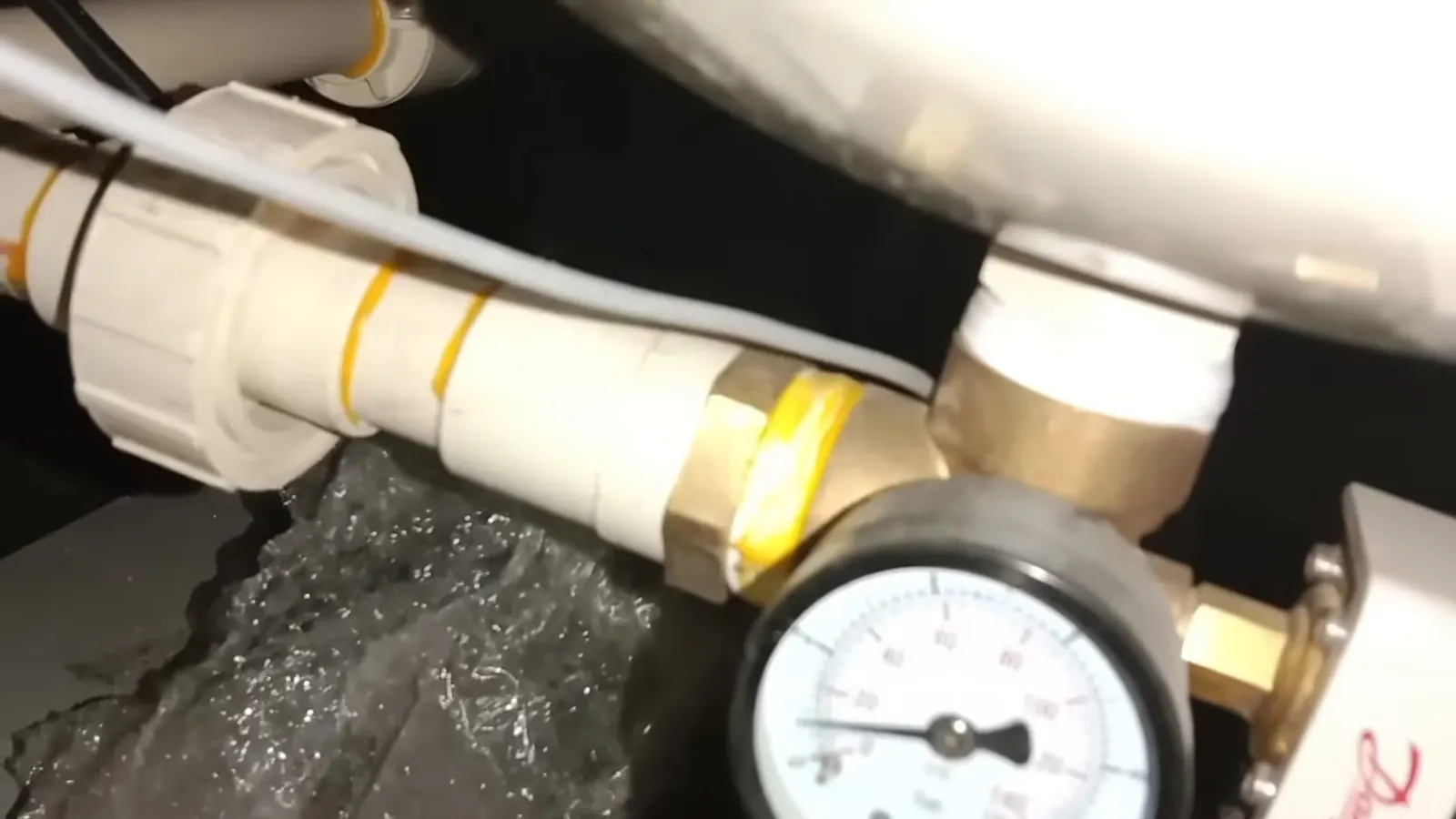
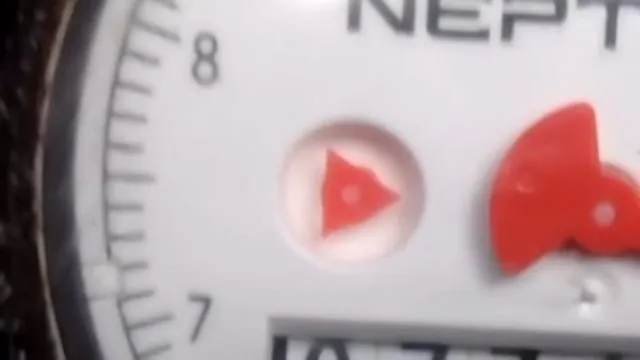
- Find the meter or the pressure tank. City-style meters show a small dial or flow triangle. A private well has no utility meter, so watch the pressure gauge instead.
- Look for movement. A dial that creeps, or a pump that cycles on and off with nothing running, points to a loss somewhere on the system.
- Check the toilets. Inspect toilets for silent leaks by adding a few drops of food coloring to the tank. Color in the bowl after ten minutes means a worn flapper.
- Close the main and watch again. If the dial stops after the house shutoff is closed, the leak is inside. If it keeps moving, it sits on the line between the meter or tank and the house.
That last test splits the job in two before any equipment arrives. It also tells the dispatcher whether to send a plumber for a house leak or a buried water line.
A running meter does not stop on its own
Dispatch is open now. Describe what the meter or the pump is doing and a plumber is sent.
How a leak is located before anything is opened
Precise leak location saves drywall, tile and landscaping. Each method suits a different kind of problem, and a plumber often combines two of them.
| Method | Suited to | Limit to know |
|---|---|---|
| Electronic and acoustic listening | Pressurized lines in walls, floors and the yard | Background noise from traffic or pumps can mask a quiet leak |
| Thermal imaging for leak detection | Warm-water lines, ceiling and wall moisture | Needs a temperature difference to show a pattern |
| Pressure and hydrostatic testing | Proving whether a section of line holds | Shows a loss but not the exact point on its own |
| Tracer gas, including helium | Stubborn leaks that listening cannot pin down | Used after simpler methods narrow the search |
| Camera and sonar | Drain and sewer leaks inside a pipe | Only works where the camera can travel |
Smart leak detection is a different idea: sensors and automatic shutoff valves that watch for flow. They do not find an existing leak, but they limit damage when the next one starts.
Leak repair once the source is found
A found leak is repaired by the plainest method that will last. A pinhole in a copper line may take a short section replaced. A failed fitting needs a new fitting. A line that is leaking in several places is telling a different story, and that conversation belongs with the pipe repair and repiping page.
Leaks detected are only half the work. Repaired leaks should be pressure tested again, so the plumber and the homeowner both see the line hold before walls are closed. Leaks found and fixed this way end the leak cycle instead of resetting it, and a written note of where the leak was and what was done is useful if the home is ever sold or an insurance claim comes up.
Fixture leaks: toilets, faucets and showers
Fixture leaks are the most common source and the simplest to correct. A toilet that refills by itself, a faucet that drips at the base, and a shutoff valve that weeps at the stem all waste water around the clock.
A tiled shower leaking onto the floor outside it needs more care. The cause is often a failed seal, a cracked grout line or a loose drain flange, not the supply line. A plumber can tell the difference by running the shower with the drain plugged, then without. Once the source is known, the repair may be a new seal and caulk, or it may point to the shower pan. The faucet, toilet and fixture repair page covers the parts and fixes in detail.
Walls, ceilings and the places you cannot reach
Where the leak sits decides how it is reached.
Wall leaks
A leak inside a wall is located first, then the smallest possible opening is cut and patched. Wall and ceiling leak repair is mostly about restraint.
Ceiling stains
The wet spot is rarely under the leak. Water travels along framing, so the source can be several feet from the stain.
Under the house
Crawlspace, basement or slab: what is below the floor decides access. Confirm which one the home has before planning a repair.
Attic runs
Supply and drain lines in an attic leak when insulation traps cold and condensation forms or when joints age.
Suspect a leak in the wall or ceiling?
Call the 24/7 line and ask whether a plumber can reach you today.
Underground and yard leaks on well and tank systems
A leak between the well, the pressure tank and the house is a different animal. The pump runs more, the pressure gauge drifts and the bill may not change at all, since a private well has no meter. Water leak repair on that line means digging, and digging in Arizona means calling 811 first. The state wants two working days to get buried lines marked before a shovel goes in, and within 2 feet of a mark the digging is done by hand.
Sprinkler and irrigation leaks are a separate trade. A plumber can confirm that the house side holds pressure, then point the problem to the irrigation system if that is where the loss is.
Cold nights add a wrinkle. Winter lows in the upper 20s and low 30s are typical from December through February, so a line in an exposed run can freeze and split, and the leak only shows after the thaw. New water service pipe under the Town plumbing code goes in at least 6 inches under the frost line.
Plumbing inspection and pipe condition checks
A leak call often turns into a plumbing inspection. The plumber walks the visible lines, tests pressure, checks shutoffs, and looks at the water heater connections and the washing machine hoses. Plumbing system inspections are useful after a leak, before a sale, or when a home has aged past its first set of fittings.
Plenty of local homes were built in the 1990s, which puts original fittings, valves and flexible connectors in the age range where replacement is routine. A short inspection finds the weak ones before they fail.
Leak services in plain terms
Quotes and phone calls use a lot of overlapping names. This is what each one means in practice.
- Leak detection services and water leak detection
- Plumbing leak detection finds where water is escaping. Residential leak detection starts at the meter or tank and the fixtures, and whole house leak detection pressure tests each line in turn. Advanced leak detection technology means the listening, thermal and gas tools in the table above.
- Hidden and underground leak detection
- Hidden leak detection covers leaks you cannot see: hidden wall leaks, slab and hidden leaks under floors, and underground leak detection in the yard. Electronic leak detection and thermal imaging leak detection narrow the search, and sonar leak detection or infrared leak detection suit specific lines. Helium leak detection is a last resort for stubborn cases.
- Leak location services and inspection
- Leak location services mark the spot, and leak location documentation records it with photographs. Leak inspection services and plumbing leak inspection add a check for visible leaks at every fixture, and plumbing inspections or plumbing inspection services review the whole system. A plumbing inspection can inspect for leaks and test the pressure at once.
- Leak detection and repair
- Leak detection and repair is one visit when the fix is small: water leak detection repair on a fitting, a valve or a short pipe. Leak repair services cover the same ground for larger jobs. A leak repair consultation helps decide between a patch and a replacement, and leak repair maintenance plans mean follow-up checks after the repair. Plumbing leak repair and residential leak repair for plumbing systems of every age follow the same sequence, and leaks detected repaired in one visit are tested before the walls close.
- Wall, ceiling and basement work
- Wall leak repair and ceiling leak detection and repair follow the same rule: find the source, cut the smallest opening and patch it. Basement leak detection and basement leak repair apply where a home has a basement, and attic plumbing and basement plumbing are checked wherever a line runs.
- Yard, sprinkler and sewer-side checks
- Underground pipe repair handles a broken line in the yard. Sprinkler system leak repair and leak detection for irrigation systems belong to the irrigation trade. Sewer line inspection and repair and sewer camera inspections before repairs apply to the drain side, covered on the sewer page.
- Testing language
- Pressure testing of plumbing lines and hydrostatic plumbing testing both mean holding a line under test pressure to see whether it loses any. Leak detection and shutoffs go together because a leak is not controlled until the shutoff valve works.
- Common leak locations and related work
- Common leak locations are the toilet supply, the faucet base, the water heater connections and the washing machine hoses, plus suspected leaks in a slab, a wall or the yard. Leaking around the base of a toilet or tub is one of the most common calls. Every water leak service starts with a plain question: where is the water, and is it still running? Following a plumbing leak, plumbing maintenance and inspections help catch the next one. Topics related to leak detection, such as irrigation and drains, have their own pages, and leak detection service areas include Dewey, Prescott Valley and Mayer. If you need water leak repair, locate a leak first and find a hidden leak before anything is opened.
- Small leaks, appliances and history
- Appliance leaks from a washer hose or dishwasher line are a common source, and appliance leak cleanup is the dry-out afterward. Leak history matters: a log of earlier repairs helps a plumber inspect the relevant plumbing systems. Handle small leaks early, since leaky pipes causing hidden damage seldom announce themselves, and leak detection is risk management at its simplest. To request leak detection service, call the dispatch line.
- Why the details matter
- Leaks water pressure, leaks and water losses and major water leaks all begin small. Plumbing leaks that are treated early limit structural damage from water leaks and structural damage from prolonged leaks. Catch small leaks early and watch for hidden leaks, because damage caused by ignoring leaks adds up quietly.
What an ignored leak costs a house
Ignoring small leaks is the expensive choice. Constant moisture rots framing, lifts flooring, grows mold behind paint and softens drywall until it sags. Water leaks causing structural damage are rarely a single event. They are a slow loss that finally becomes visible.
Water leaks damaging property structure are also the situations where cleanup becomes its own job. When water has already soaked materials, the water damage restoration page explains the drying and cleanup side.
Leak detection questions from Dewey Humboldt homeowners
What should I do about a water spot on the ceiling?
Treat a ceiling stain as a live problem until proven otherwise. Put a bucket under it, then stop water to the area above: close the shutoff to the upstairs bath or the whole house if you cannot tell. A stain that stays the same size after use of the fixtures above is likely old. A stain that grows or drips is not.
Why does a leak diagnosis visit appear as its own line on a bill?
Finding a leak and repairing it are separate pieces of work. A diagnostic visit covers the time and equipment used to locate the source. Ask for the scope of the visit before it starts, and ask what happens to that line if the repair is done the same day.
A tiled shower is leaking onto the floor outside it. Where is the water coming from?
Usually not the supply line. The usual suspects are a failed door seal, cracked grout or caulk, a loose drain flange or a worn shower pan. Running the shower with the drain plugged and again unplugged separates a surface leak from a drain leak.
What causes toilet, faucet and shower leaks in the first place?
Worn rubber parts are the leading cause. A flapper hardens, a cartridge wears, a seat washer cracks. Check the list: look at the flapper, look at the supply valve, look at the base of the faucet, look at the shower arm. Then call if anything is still wet, since a hidden seal may be failing.
When a leak points to other work
If the leak turns out to sit under a concrete floor, read about slab leak work. If the line from the house to the septic system is the suspect, the sewer line page covers it. A leaking tank is handled on the water heater repair page.
Leak calls arrive from across the area, and dispatch covers Dewey, Prescott Valley and Mayer.
Leak somewhere in the house?
Call the dispatch line, describe the clue and get a plumber on the way. Same-day service is offered when available.
(928) 766-1925Call now (928) 766-1925- Licensed and insured plumbers
- Same-day service when available
- 24/7 emergency dispatch